
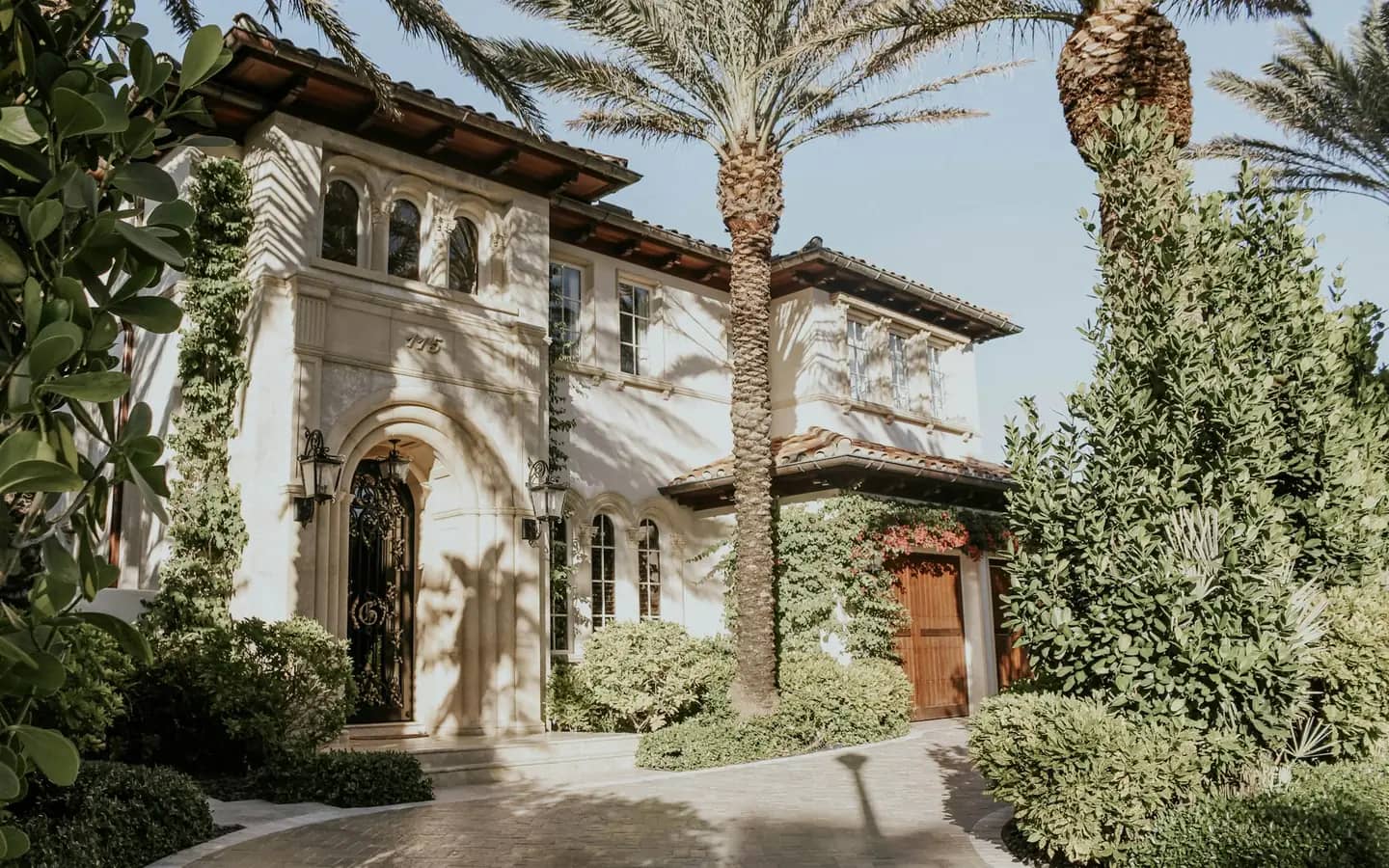
Home and condo insurance in Miami-Dade, where the building code was written for hurricanes.
Houses in the Redland, townhomes in Kendall, high-rise condos on the bay. We read your policy against the way your home was built and the risks of your street, show you the gaps and help you through a claim. English, Spanish or Russian.
Talk to a licensed agent
Takes 30 seconds. A real agent calls you back fast.
The High-Velocity Hurricane Zone starts here
After Hurricane Andrew struck South Dade on August 24, 1992, destroying about 25,500 homes and damaging more than 101,000 in the county, Miami-Dade rebuilt its building rules around wind. The Florida Building Code now defines Miami-Dade and Broward as the state’s High-Velocity Hurricane Zone (HVHZ). It has the strictest design requirements in Florida: design wind speeds in Miami-Dade run from 165 to 186 mph depending on the building’s risk category. Windows, doors, shutters and roofing used in the HVHZ need a specific product approval, such as a Miami-Dade Notice of Acceptance (NOA).
For insurance, the code matters in two ways. It makes newer homes more resistant to wind, and insurers must reflect documented wind-resistant features in your premium. But most of the county’s housing was built before the modern code: Census estimates for 2020–2024 put the median year built at 1980, and only about a quarter of homes date from 2000 or later.
Miami-Dade is also a county of condos and apartments. About half of all homes are in buildings with two or more units, and about 40% are in buildings with ten or more. Only about 52% of homes are owner-occupied. A house owner in the Redland, a townhome owner in an HOA and a condo owner in a 30-story tower all need different coverage.
What we check, by type of home
- Single-family houses: dwelling limit at current rebuilding cost, roof age and permit date, wind mitigation report, law and ordinance coverage, and hurricane deductible in dollars.
- Townhomes and HOA homes: what the association documents say you must insure (often the whole structure), and whether the HOA policy covers the roof.
- Condo units (HO-6): interior finishes, cabinets, appliances and water heater, which the master policy excludes by law, plus loss assessment coverage above the $2,000 minimum.
- Older condo buildings: milestone inspection and reserve study status, which can lead to special assessments that insurance does not pay.
- Renters: belongings, liability and temporary housing. About half of Miami-Dade households rent.
- Everyone: flood insurance, because no homeowners, condo or renters policy covers flood or storm surge.
- Everyone: liability limits that match what your family owns.
Florida rules that shape every Miami-Dade policy
Wind mitigation credits. Insurers must include actuarially reasonable credits for features that reduce wind losses and describe them on their websites. On the state inspection form (OIR-B1-1802), all of Miami-Dade is HVHZ. Homes permitted after September 1, 1994 under the South Florida Building Code, or after March 1, 2002 under the Florida Building Code, can qualify for code-based credits, and older homes can earn credits for later upgrades such as opening protection or a new roof deck. A report is valid for up to five years if nothing material changes. Eligible single-family homes and townhomes may get a free inspection through My Safe Florida Home.
Roofs. For policies issued or renewed since July 1, 2022, insurers cannot refuse a home only because the roof is under 15 years old, and an older roof with an inspection showing at least five years of life left cannot be refused on age alone.
Deductibles and claims. Hurricane deductibles are offered at $500 or 2%, 5% or 10% of the dwelling limit and apply once per calendar year. New claims must be reported within one year of the date of loss, which for a hurricane is landfall; supplemental claims within 18 months. Condo loss-assessment claims have a separate deadline tied to the association’s assessment.
Condos: the master policy and your HO-6
Florida law requires a condo association to insure the building but to exclude what is inside each unit: floor, wall and ceiling coverings, electrical fixtures, appliances, water heaters, built-in cabinets and countertops, window treatments and personal property. Your HO-6 covers those, your liability and loss of use, and must include at least $2,000 of loss assessment coverage. Buildings with three or more habitable stories need milestone inspections at 30 years and every 10 years after, plus a structural integrity reserve study. The results can mean repairs and special assessments, so ask your association where it stands. High-rise owners should also remember Wilma in 2005, when the strongest winds were felt on upper floors and many windows broke.
Flood and storm surge
Every homeowners and condo policy excludes flood, including storm surge. Miami-Dade’s effective flood maps date from September 11, 2009; preliminary maps released in 2021 are not yet in force. The county’s storm surge planning zones, A through E, show where evacuations may be ordered. NFIP policies usually take 30 days to start and cover up to $250,000 for the building and $100,000 for contents. Andrew’s storm tide reached 16.9 feet on the western shore of Biscayne Bay, so coastal homes need to take surge seriously.
M&K Agency is family-owned, with a team of 12 and more than 5,000 clients across Florida. Send us your policy and we’ll check your coverage. We will match it to your home and your association documents, find the gaps and stay with you through any claim.
One South Dade office, clients across Miami-Dade
Our office is at 33550 S Dixie Hwy, Suite 102, Florida City, FL 33034, at the southern end of the Turnpike. In light traffic it is a few minutes from Homestead, about 20 minutes from Cutler Bay, about half an hour from Kendall and roughly 50 minutes from downtown Miami. We do not have offices elsewhere in the county, so clients farther north usually send us their documents by WhatsApp or email and we review them by phone.
Hours are Monday to Friday, 9 to 6, and Saturday by appointment. Call (305) 859-3953 or WhatsApp (971) 998-7313. An agent calls back within an hour on requests received during business hours.
33550 S Dixie Hwy, Suite 102
Florida City, FL 33034
English · Español · По-русски
Communities we serve in Miami-Dade County
We work with clients all over the county from our Florida City office. Communities with their own page are linked.
- Florida City
- Homestead
- Cutler Bay
- Kendall
- Palmetto Bay
- Pinecrest
- South Miami
- Coral Gables
- Miami
- Doral
- Hialeah
- Miami Beach
- North Miami
- Aventura
- Sunny Isles Beach
- Redland, Leisure City, Naranja and Princeton
Home and condo insurance in Miami-Dade: common questions
What is the High-Velocity Hurricane Zone?
It is the part of the Florida Building Code that applies to Miami-Dade and Broward counties. It sets the state’s strictest wind design requirements and requires approved products for windows, doors, shutters and roofs. Insurers treat the whole county as HVHZ on the wind mitigation inspection form.
Can a wind mitigation inspection lower my premium in Miami-Dade?
It can, if your home has features the insurer gives credit for, such as hurricane-rated openings, a hip roof, strong roof deck attachment or roof-to-wall connections. The credits are only applied when a valid inspection report documents them.
Does my condo association’s policy cover my unit?
Only partly. Florida law requires the master policy to exclude interior finishes, cabinets, countertops, appliances, water heaters, fixtures and your belongings. You need an HO-6 policy for those and for your liability.
How do I find my flood zone in Miami-Dade?
Use the county’s flood zone map tool or call the county flood zone hotline listed on its website. The maps in effect today date from 2009; preliminary maps are not yet in force. Remember that flooding also happens outside high-risk zones.
Do you insure homes outside South Dade?
Yes. We work with homeowners and condo owners throughout Miami-Dade and Florida, mostly by phone, WhatsApp, text and email.
More for this area
Ready for a second opinion on your coverage?
Leave your number and a licensed agent will call you back, within an hour during business hours.
Have an agent call meCall (305) 859-3953
📄 Send us your policy – we'll check your coverage
A photo of the first page (declarations page) is enough.
This article is general information, not legal advice or policy language. Coverage depends on the terms, limits and exclusions of your policy, and eligibility rules can change. Talk with a licensed agent about your situation.
Sources
Facts on this page were checked against these sources on October 3, 2026.
- National Hurricane Center: Hurricane Andrew report (damage, storm tide)
- NOAA (2002): Hurricane Andrew upgraded to Category 5
- National Hurricane Center: Tropical Cyclone Report, Hurricane Wilma (2005)
- Florida Building Code, Building (8th ed., 2023), Chapter 16, Section 1620: High-Velocity Hurricane Zones (Miami-Dade and Broward)
- Miami-Dade County Product Control: approved products and Notices of Acceptance (NOA)
- U.S. Census Bureau, ACS 2020–2024 5-year: housing and commuting (B25024, B25034, B25003, B08303, B08013), Miami-Dade County
- Florida Department of Financial Services: wind mitigation inspection form OIR-B1-1802
- Florida Statutes s. 627.0629: required wind mitigation credits
- Florida Statutes s. 627.7011: roof-age rule (15 years), law and ordinance coverage, replacement cost
- Florida Statutes s. 627.701: hurricane deductible options and the calendar-year rule
- Florida Statutes s. 627.70132: property claim notice deadlines (1 year, 18 months)
- Florida Statutes s. 718.111(11): what a condo association’s master policy must and need not cover
- Florida Statutes s. 627.714: condo unit owner loss assessment coverage
- Florida DBPR: condo milestone inspections and structural integrity reserve studies
- FloodSmart.gov (NFIP): what flood insurance covers
- Miami-Dade County: flood zone maps
- Miami-Dade County: storm surge planning zones
- My Safe Florida Home: state hurricane-hardening inspections and grants
Areas we serve
We serve South Florida from our Florida City office, in person and by phone, WhatsApp, text and email.